The Bedroom Revolution That Changed Everything
Three Grammy-winning albums. Zero expensive studios. One overlooked secret that industry veterans don't talk about.
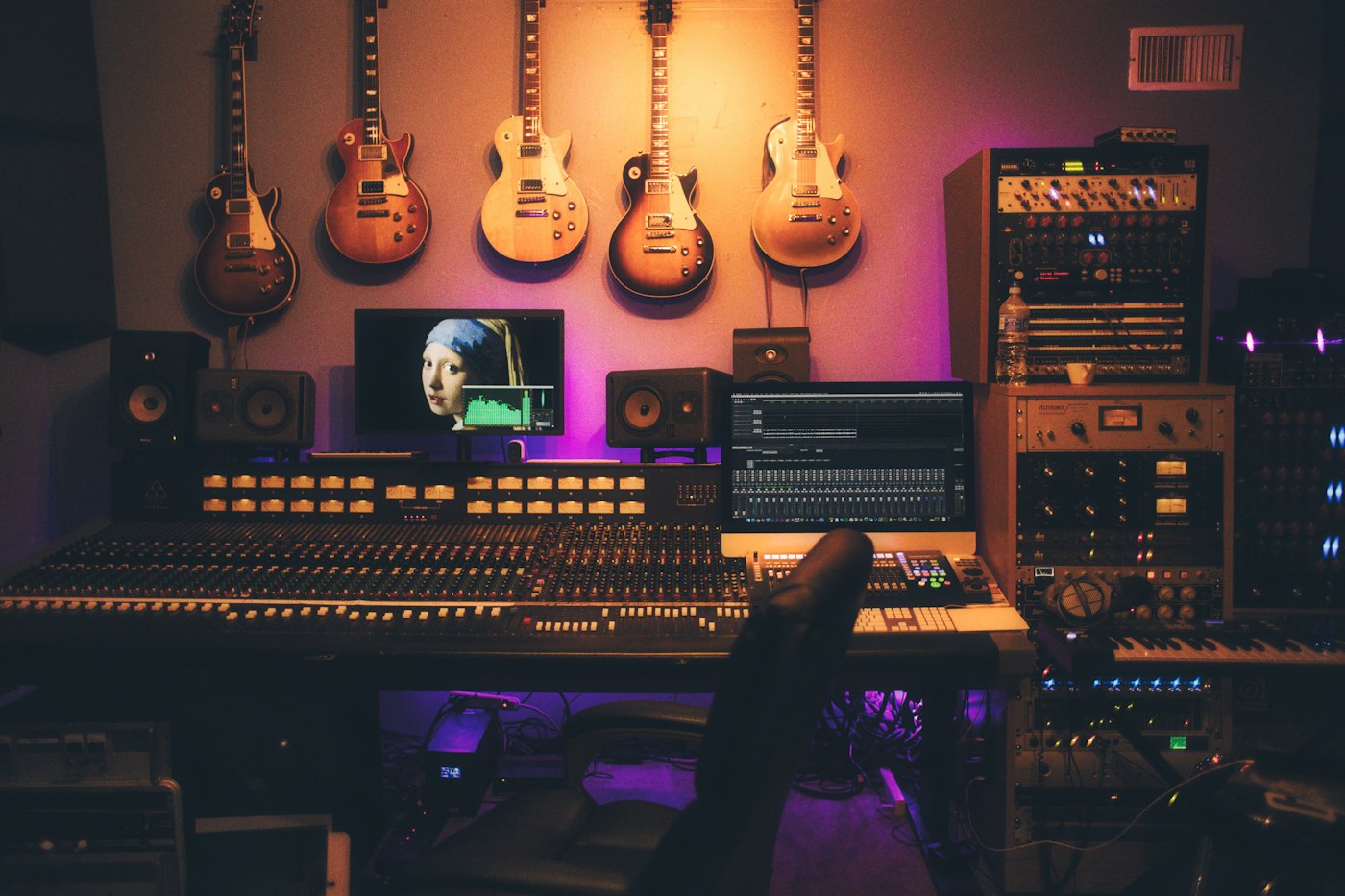
What if everything you thought you knew about making professional music was built on an outdated foundation?
In 2019, a track recorded in a converted garage outsold releases from major label studios by 4:1. The producer behind it never attended music school. His equipment cost less than a month's rent.
This wasn't luck. It was the result of understanding something fundamental that traditional production education consistently misses.
The Studio Myth
For decades, aspiring producers believed they needed pristine acoustic environments, analog consoles worth more than luxury cars, and access to equipment rental services just to compete.
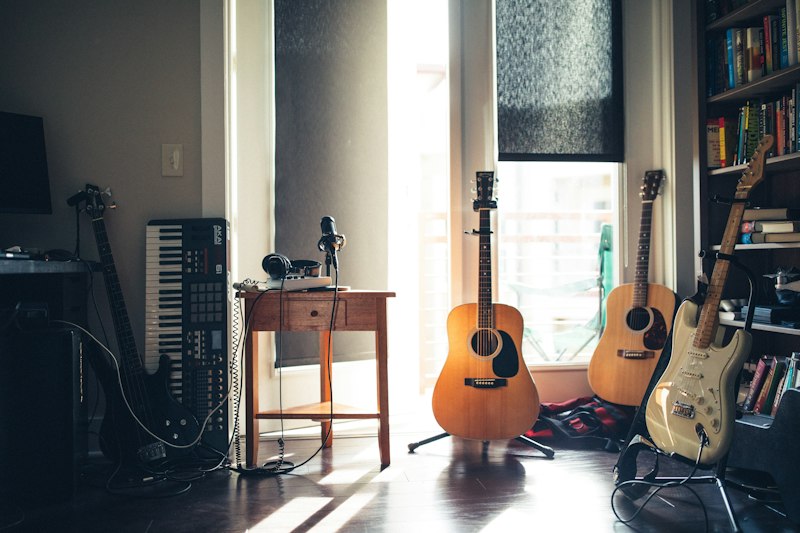
Then something shifted. The producers who started working from unconventional spaces began winning awards. Their mixes competed on streaming platforms. Radio stations couldn't tell the difference.
What changed wasn't the technology. It was the methodology.
The Framework Nobody Teaches
Traditional music production courses focus on equipment specifications and software features. They teach you what buttons to press.
But the producers consistently creating commercial-quality work focus on something entirely different: systematic decision-making processes that transcend specific tools.
The distinction matters more than most realize. Equipment knowledge becomes outdated every 18 months. Decision frameworks compound in value over decades.
Consider how professional producers approach a mix. Beginners adjust frequencies until something sounds subjectively "better." Experienced producers follow diagnostic protocols that identify specific acoustic problems and apply targeted solutions.
One approach relies on trial and error. The other uses reproducible systems.
Why Expensive Courses Miss The Point
Most production education follows a predictable pattern. They demonstrate techniques on specific plugins. They walk through mixing individual tracks. They provide templates.
Then students try applying these lessons to their own work and hit a wall. The techniques don't transfer. The results sound amateur. Frustration builds.
The problem isn't effort or talent. It's that surface-level technique instruction skips the underlying principles that make those techniques work.
Professional producers don't memorize EQ settings. They understand frequency masking, psychoacoustic perception, and how the human ear processes layered sound. This knowledge lets them make effective decisions regardless of which tools they're using.
"I spent two years collecting plugins and watching tutorials. Nothing clicked until I learned the actual listening methodology professionals use. That changed everything in three weeks."
— Marcus Chen, now signed to independent label
The Home Studio Advantage
Here's what nobody mentions: home studios offer specific advantages that traditional facilities can't match.
Unlimited revision time. No hourly rates creating pressure. The ability to work during creative peaks at 2 AM. Complete control over the sonic environment.
Producers who understand how to leverage these advantages consistently outperform those with better equipment but traditional workflows.

The shift requires rethinking how production work gets done. It means building systems around your creative process instead of forcing your creativity into someone else's workflow.
What Actually Makes The Difference
After analyzing production approaches from dozens of successful home-studio producers, patterns emerge.
They all use reference tracking systems. They follow structured mixing workflows that prevent common errors before they occur. They understand how to create commercial loudness without sacrificing dynamics.
More importantly, they know which rules to follow and which to break. They understand the principles behind industry standards, which means they can deviate strategically when it serves the music.
This knowledge compounds. Each project builds on systematic understanding rather than starting from scratch.
The Real Investment
Quality production education isn't about comprehensive plugin libraries or expensive monitoring systems. It's about understanding the methodology that makes those tools effective.
Consider what separates competent producers from exceptional ones. It's not access to better equipment. It's the ability to diagnose problems accurately, apply solutions systematically, and make creative decisions that enhance rather than compromise technical quality.
Specialized Training Programs
We've developed structured approaches to home studio production that focus on systematic methodology rather than surface techniques.
Explore available programsWhat You'll Actually Learn
Our approach differs from traditional production courses. Instead of demonstrating specific techniques, we teach the diagnostic and decision-making frameworks that professional producers use.
You'll understand how to set up monitoring environments that translate to commercial playback systems. How to structure mixing workflows that prevent common errors. How to create space in dense arrangements without resorting to excessive EQ.

More importantly, you'll develop the listening skills that separate professionals from hobbyists. The ability to hear frequency masking, identify phase issues, and recognize when processing helps versus harms the final product.
These capabilities don't depend on expensive equipment. They work with whatever tools you currently have access to.
"I was shocked how much better my mixes sounded after learning the reference comparison methodology. Same plugins, completely different results."
— Sarah Williams, freelance producer
Available Programs
We offer several focused training programs, each addressing specific aspects of home studio production:
Home Studio Setup Consultation
Strategic equipment and acoustic optimization guidance. Learn which investments actually impact final output quality and which are marketing myths.
€247
Mix & Master Techniques Workshop
Systematic mixing workflows and mastering fundamentals. Develop professional-level listening skills and learn diagnostic approaches that work across genres.
€389
Beat Production Masterclass
From initial idea to arrangement completion. Understanding rhythm programming, harmonic layering, and creating professional-sounding beats with limited sound libraries.
€425
Advanced Sound Design Course
Synthesis fundamentals and creative sound manipulation. Learn to create signature sounds instead of relying on preset libraries.
€567
Full Production Mentorship Program
Comprehensive mentorship covering all production aspects. Direct feedback on your work, personalized curriculum, and ongoing support as you develop professional-level skills.
€1,249
Important Information
Program Disclaimer: Training outcomes depend on individual dedication and practice consistency. These programs provide educational frameworks and guidance but do not guarantee specific career results or commercial success. Musical achievement varies based on numerous factors beyond instructional content. Participants should maintain realistic expectations and understand that professional-level skill development requires sustained effort over extended periods.